Insurrection by Robyn Young
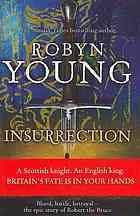
"Insurrection" is a gripping historical novel that follows the journey of Robert, starting from his idyllic youth in a tranquil and stable Scotland. The narrative delves into the chaos and devastation that follow the death of King Alexander, setting the stage for a turbulent era marked by fierce conflicts and rivalries, particularly with the Comyn and Balliol families. These deeply entrenched feuds ultimately compel Robert to ally himself with the English during the first wave of conflicts—an alliance that is fraught with moral dilemmas and personal struggle.
While I won't spoil the unfolding events, I encourage you to dive into the book for a full experience. What’s truly compelling about this narrative is the way the author intricately weaves a creative and imaginative storyline alongside the historical framework. This masterful blend transforms what could have been a dry recounting of history into a vibrant and intimate novel that resonates with readers on many levels.
As the narrative progresses, the reader encounters echoes of the Arthurian legends interspersed through Edward and Robert's unfolding saga. These legends, while not the main focus, play a significant role in shaping the characters' motivations and actions. By weaving these timeless tales into the fabric of the story, the author enriches the narrative, providing depth to the characters while also illuminating some of the historical ambiguities surrounding their choices and the motivations behind them.
One of the most commendable aspects of "Insurrection" is the author’s commitment to presenting a balanced depiction of the various factions involved in this tumultuous period. In popular narratives, figures like William Wallace, Robert Bruce, and Edward, often dubbed the Hammer of the Scots, tend to be categorized into clear dichotomies of heroes and villains — the noble Scots depicted as valiant warriors suffering at the hands of merciless English oppressors. Yet, Robyn breaks from this tradition, providing a more nuanced and realistic portrayal of the people involved.
Robyn insightfully points out that many nobles on both sides of the conflict shared Norman ancestry, suggesting that they were often more alike than different. The Scottish lords are portrayed as a fractious group, frequently at odds with one another; half of them support the English against their own kin, and many harbor deeper resentments towards their fellow Scots than toward the English. Robert Bruce himself epitomizes this complexity, exhibiting traits that lead the reader to wrestle with their own feelings toward him—there are moments when his decisions elicited frustration and disappointment, underscoring the author’s talent for crafting complex characters. In "Insurrection," no one is purely good or purely evil, adding layers of intrigue to the story.
Be prepared for a substantial read; "Insurrection" is not a brief book. However, the pacing is so engaging that the pages turn quickly, pulling you deeper into the unfolding drama. This thrilling and immersive story is exceptionally well-written and deserves a rightful place on your bookshelf.


0 Comments